What's included in our travel insurance for snowbirds
Coverage and conditions vary depending on the plan chosen.
Coverage for long stays
Plans designed for stays of 30 days to 212 days, subject to the limits of your province of residence.
Emergency medical expenses
Hospitalization, physician, tests, ambulance, for medical emergencies during your winter stay.
Trip interruption
Coverage for an unplanned return to Canada (family emergency, extended hospitalization).
Options for stable pre-existing conditions
Several plans cover stable medical conditions according to a stability period defined by the insurer.
Why choose Protecto for your travel insurance for snowbirds?
Advisors registered with the AMF, bilingual service, and online subscription in minutes, with Protecto.
Coverage up to $10,000,000
High-limit protection, particularly important for extended stays in the United States.
Annual multi-trip plans available
If you make several round trips over the winter, an annual plan can be more economical.
Advisors who specialize in snowbirds
Our team knows the constraints of the provincial plans and the requirements specific to snowbirds.
Bilingual service
Assistance in French and English, before you leave and during your stay.
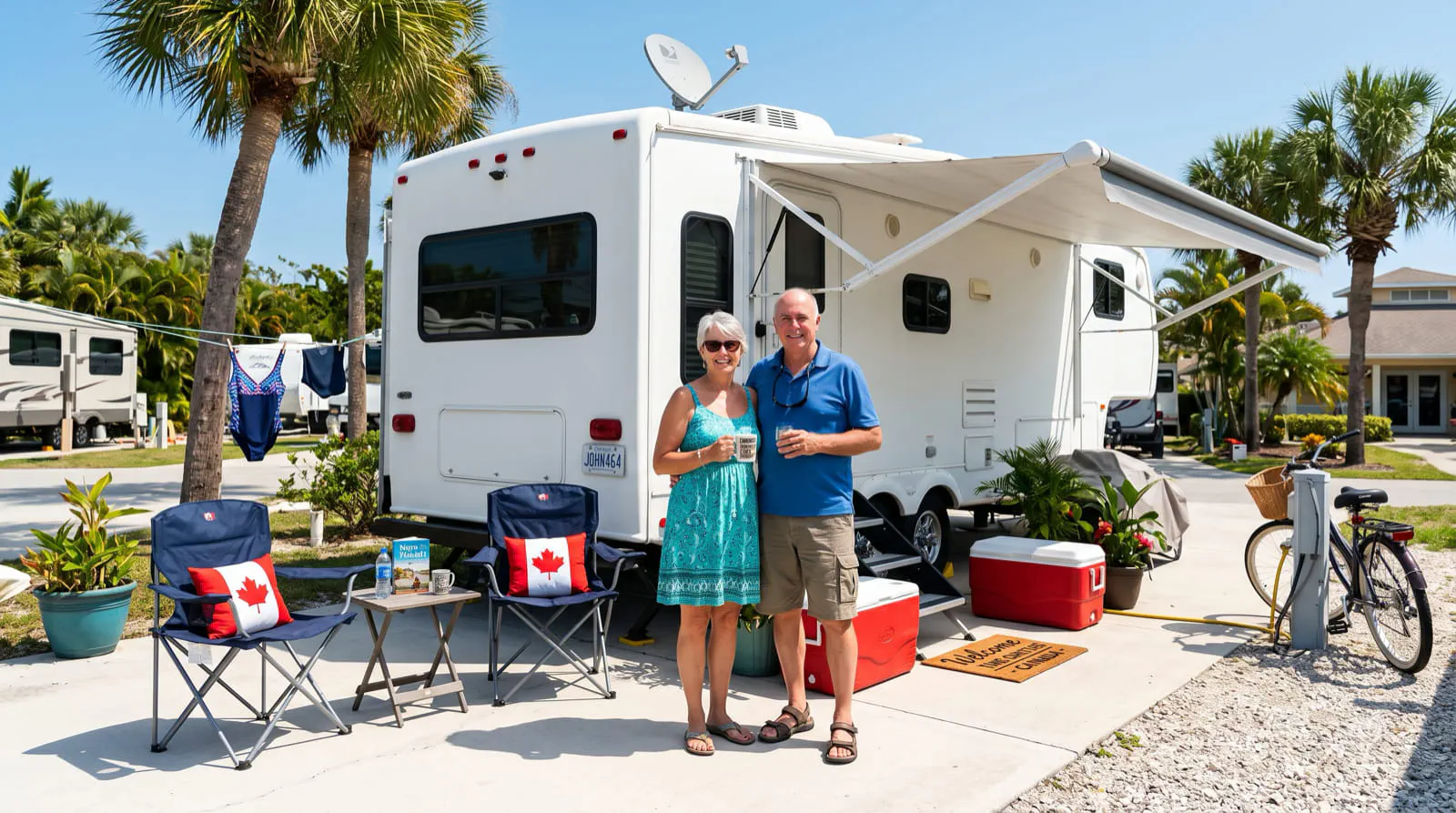
Snowbird travel insurance is specialized medical coverage for Canadians who spend their winters in warmer destinations, usually the United States, Mexico or the Caribbean.
Provincial health plans offer very limited coverage outside Canada. In the United States, medical costs are especially high. A hospital stay can pass $100,000 quickly. Insurance built for long stays is essential.
What sets snowbird insurance apart
Duration. Standard plans cover short trips. Snowbird plans are built for stays of 30 to 212 days.
Pre-existing conditions. For travellers aged 50 and over, known medical conditions are common. Snowbird plans generally offer more options to cover them.
Temporary returns to Canada. Need to come back for the holidays or for something unexpected? Most plans allow it without cancelling your coverage.
When should you buy?
The earlier the better. Some plans require you to still be in Canada at the time of purchase. Buying early also gives you time to compare and choose the plan best suited to your medical profile.
Our advisors specialize in the needs of snowbirds. Talk to a financial security advisor, or get your quote online.
Frequently Asked Questions
Why is travel insurance especially important for snowbirds?
Because medical costs in the United States can be very high, even for a situation that seems simple at first. A fall, an infection, a cardiac episode, a hospital stay or an ambulance ride can quickly add up to thousands of dollars. Travel insurance protects your health, but also your assets.
Can my medications or medical follow-ups affect my coverage?
Yes. A recent medication change, a new dose, a pending test or a condition that is not stable can affect eligibility or a future claim. Before you leave, it is important to fully understand the insurer’s stability criteria.
What is a medically stable condition for an insurer?
Stability does not simply mean that you feel well. The insurer may look at whether there has been a change in medication, dosage, symptoms, diagnosis, treatment or medical recommendation during a specific period before departure. That period varies by age, product and insurer.
Does it matter if I forget to mention a medical detail?
Yes, it can matter. An omission or an inaccurate answer in the medical questionnaire can complicate a claim, even if it was unintentional. For snowbirds, it is better to take the time to answer correctly than to choose insurance too quickly.
Can I return to Canada during my stay and leave again afterwards?
Some contracts allow temporary returns to Canada without cancelling coverage, but the rules vary by insurer. Check whether the return interrupts the contract, how many days are allowed and whether coverage resumes automatically when you leave again.
What happens if I extend my stay?
It is sometimes possible to extend travel insurance, but it is not guaranteed. The request generally has to be made before the contract expires and before any health issue arises. If you think you may stay longer, it is better to plan for it from the start.
Am I covered if I travel elsewhere during my stay in the United States?
It depends on the contract. Some snowbirds spend the winter in Florida but also take a cruise, a trip to Mexico or a visit to another state. Check whether those trips are included, especially if you temporarily leave your main destination.
Does the insurance only cover medical emergencies?
The main coverage is generally medical emergency, but some contracts can also include cancellation, trip interruption, early return, baggage or other benefits. For a long stay, trip interruption can be useful if you have to return to Canada earlier than planned.
Should I call the assistance line before going to the hospital?
In an emergency, get the care you need first. That said, you are generally required to contact the insurer’s assistance service as quickly as possible. This can help direct care, confirm coverage and avoid certain billing problems.
Is my credit card enough for a snowbird stay?
Often, no. Credit cards sometimes cover only a limited number of days, with restrictions based on age, health or trip type. For an extended stay, it is important to read the contract limits rather than assume the coverage is enough.
Do I need to keep my provincial health coverage active?
Yes. Most travel insurance requires you to be covered by your provincial health plan for the entire trip. If you spend a lot of time outside your province, you also have to respect your province’s residency rules.
Does snowbird travel insurance cost more with age?
Generally, yes. The cost can vary with age, length of stay, destination, health, pre-existing medical conditions, the deductible chosen and the coverage amount. That is why a personalized comparison matters.
Can a deductible reduce the cost of the insurance?
Yes, some contracts let you add a deductible to reduce the premium. This can be worthwhile for some travellers, but you need to understand the amount you would pay yourself in the event of a claim.
What if I find cheaper insurance elsewhere?
That is possible, but price should not be the only criterion. Two policies can look similar yet differ significantly on pre-existing medical conditions, the stability period, exclusions, the deductible, the maximum length of stay or the claim rules. If you find a cheaper option elsewhere, we can help you compare it against the available coverage to check whether it really meets your needs.
How can I avoid unpleasant surprises before leaving?
Before choosing insurance, check the exact length of your stay, pre-existing medical conditions, the stability rules, exclusions, temporary returns, side trips and the claim procedure. At Protecto Assurances, we can help you compare the options and choose coverage suited to your snowbird situation.
How many days can I stay outside Canada without affecting my provincial coverage?
The maximum absence depends on your province. In Quebec, RAMQ requires you to be present at least 183 days per calendar year, which leaves a maximum absence of 182 days; absences of 21 consecutive days or less do not count toward that calculation. Elsewhere in the country, most provinces allow absences of 180 to 212 days per year: Ontario and Newfoundland and Labrador allow 212 days; British Columbia and Manitoba allow 180 days. Check with your provincial plan before planning your stay.
Are my prescription medications covered?
Most snowbird plans cover medications prescribed following a covered medical emergency that occurs during the stay. They generally do not cover medications you already take regularly for a pre-existing condition. Bring enough of your usual medications for the whole trip.
Ready to buy your travel insurance for snowbirds?
Buy online in minutes, or talk to a financial security advisor.
We use cookies to improve our site and measure how well our advertising works. By clicking "Accept all", you consent to their use. You can change your preferences at any time.